Meaningful Test Corrections for All Learners

Test corrections have been around for a long time. They can be very meaningful for some students. But for students who scored very low, completing test corrections can be overwhelming and not help them learn the content better. Students who get a perfect score are missing out on an opportunity to reflect on their thinking. Regardless of their score, all students need to be met where they are. When I do test corrections, students complete different test correction activities depending on their test score.

A teacher helping a student with their work

Level 1

Any student who scored below a 50%, likely has some large gaps in their understanding of this topic. For this group, they are going to need the most support. I assign these students to work with an adult (usually myself but a TA or lead teacher can help too). With the help of an adult they look for clues on the test and consider any important information they have learned that might apply to this question. I often let them use their notes as well. This activity allows students to focus on relearning specific skills they didn't understand the first time.


Level 2

These students scored somewhere between a 50% and 80%. They have a basic level of understanding of the topic but often just have a few misconceptions or were just tricked by some of the questions. They focus on reflecting on their original answer and making sense of a new answer. They can work independently or in a partnership. This activity helps students identify gaps in understanding and recognize patterns in their mistakes.


Level 3

Any student who scored above a 80%, likely won't benefit much from completing typical test corrections. For this group, they choose 5 questions from their assessment that they got correct. They will rank the answers from most correct to least correct and provide a justification for their rankings. This activity pushes students beyond simple recall and towards deeper reasoning.


So after your next assessment give this a try and see if your students benefit from it too! Discover more ideas, classroom tips, and teaching strategies in the Coffee and Sneakers blog!

Student creating a human body systems poster using craft supplies to model organs and body systems d
July 12, 2026
Discover hands-on human body system projects that help students explore the skeletal, muscular, digestive, respiratory, and more using simple craft supplies.
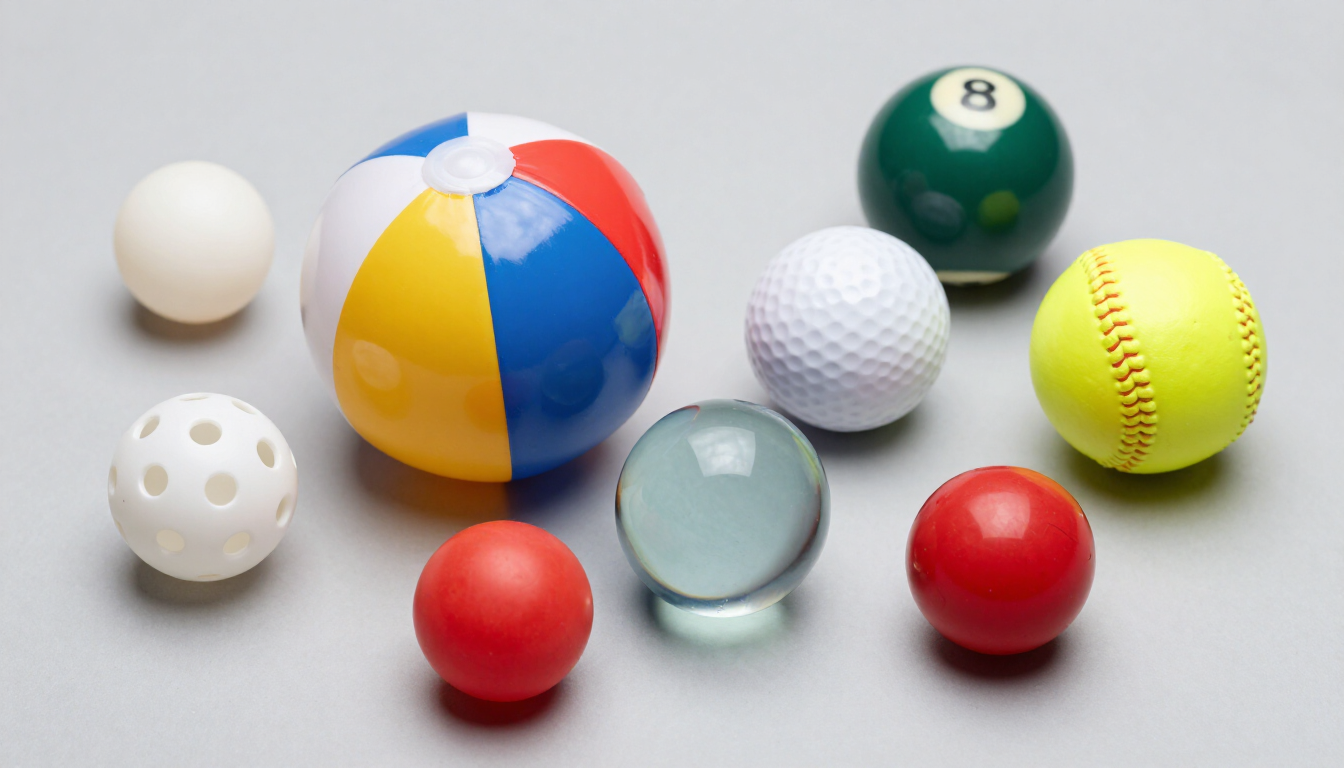
Variety of balls used in a hands-on force and motion investigation exploring how mass affects an obj
July 6, 2026
Teach force and motion with hands-on science activities that explore how force strength and mass affect movement using simple materials.
Coin resting on an index card over a plastic cup for a hands-on Newton's First Law of Motion
July 6, 2026
Teach Newton's Laws of Motion with quick, hands-on science activities using simple materials. Perfect for engaging elementary students.
paper airplane for activity demonstrating how air resistance affects flight
July 6, 2026
Teach air resistance with this no-prep science investigation! No materials required—just an engaging, hands-on activity for elementary students.
Students investigate gravity by testing how different ramp angles affect the motion of a toy monster
July 6, 2026
Teach gravity with two low-prep science investigations using everyday classroom materials. Perfect for engaging elementary students with hands-on learning.
See a student creating a Creature Family Project to demonstrate inherited and acquired traits.
July 2, 2026
Discover engaging projects for teaching inherited and acquired traits. Hands-on activities help students explore heredity through creative, standards-aligned learning.
June 30, 2026
Explore three hands-on shadow investigations that help students discover how shadows change throughout the day while building science observation skills.
Imageofastudentmakingamodelofthesolarsystem
June 30, 2026
Learn how to make a solar system model that helps students understand planet order, orbits, and key space science concepts through hands-on learning.
Studentsworkingonhexagonalthinkingstrategy
June 30, 2026
Discover the hexagonal thinking strategy and learn how it helps students make meaningful connections, build critical thinking, and deepen learning across subjects.
Students working in a classroom on reading skills.
June 20, 2026
Guess the Topic is a simple pre-reading activity that builds background knowledge, vocabulary, and curiosity while getting students talking before they read.