The Stroop Effect for Kids: A Fun Experiment That Shows How Your Brain Works

The Stroop Effect test is a great way to engage your students in your nervous system lesson. 


Start by showing students colors written in word form written in the same font color. For example, red is written in red font, yellow is written in yellow font, etc. Give students 30 seconds to read the font color they see. Most students will have no problems completing this task before the timer goes off.
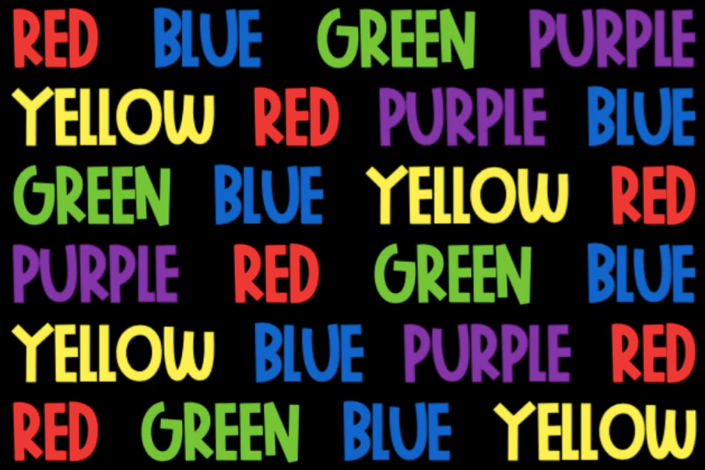
Now show them a list of colors written in word form but the font color is different from the word. For example, “purple” is written in yellow font, “yellow” is written in red font. Give students 30 seconds to read the font color they see. Students will notice it is much harder to focus on the font color when the word does not match.
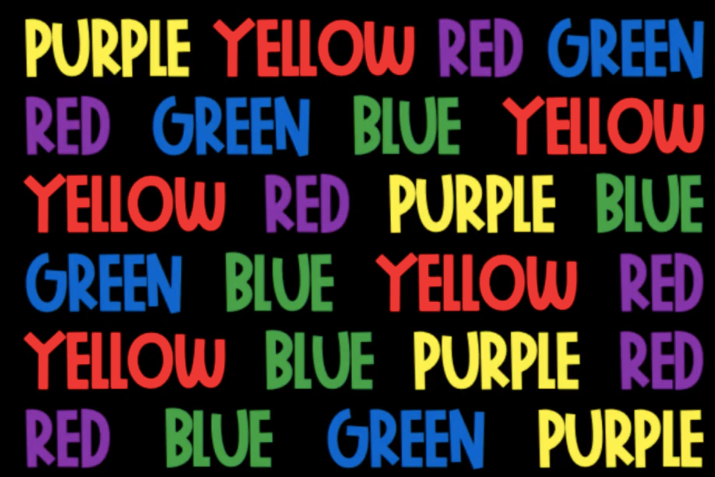


This phenomenon is called the Stroop Effect. The Stroop Effect is the delay that occurs when you try to read a color that is printed in a different color.


How does this relate to the Nervous System?

The Stroop Effect gives us an idea of how the nervous system processes information. When you see a color word your eyes send information from your eyes to your brain. Your brain takes in that information, decides what to do with and and sends signals to the body to tell it how to respond. During the Stroop Effect Test your brain is receiving 2 pieces of information: the word and the color. It has to decide which to focus on.


Why does this happen?
Your brain is trying to process a lot of information at once. It is constantly trying to decide on what to pay attention to. When you have to read the font color of a word that doesn’t match your brain struggles to focus on the font color and the word at the same time. 


Reading is automatic for us. So our brain automatically wants to read the word even when the directions are to focus on the color.


The Stroop Effect is a great way to get your students excited (and laughing) when getting ready to start learning about the nervous system.


Bring This Activity Into Your Classroom!

This engaging, no-prep activity is featured in an instructional video from our 5th Grade Molecules to Organisms Unit. Get this activity along with a complete, ready-to-teach unit covering levels of organization and the major body systems—so you can spend less time planning and more time teaching!

A thunderstorm to teach students about weather
August 18, 2026
Discover a simple way to teach weather by tracking and graphing daily conditions, using real-time data to build vocabulary and science skills.
Elephant toothpaste science experiment producing colorful foam
August 17, 2026
Explore matter, physical and chemical properties, and chemical changes with an exciting elephant toothpaste science experiment for kids.
Students exploring their school during a science scavenger hunt to find real-world examples
August 17, 2026
Discover how science scavenger hunts make hands-on learning easy and engaging, with simple activities for exploring matter, forces, and more.
Studnets using open and closed sorting activities to help students classify information
August 16, 2026
Closed sorts vs. open sorts: discover how both strategies help students classify, identify patterns, explain their thinking, and develop deeper science reasoning.
Toy monster truck on top of four  ramps covered with different surfaces— bubble wrap, sandpaper
July 21, 2026
Teach friction with this engaging investigation! Students compare toy car speeds on ramps covered with sandpaper, bubble wrap, and aluminum foil.
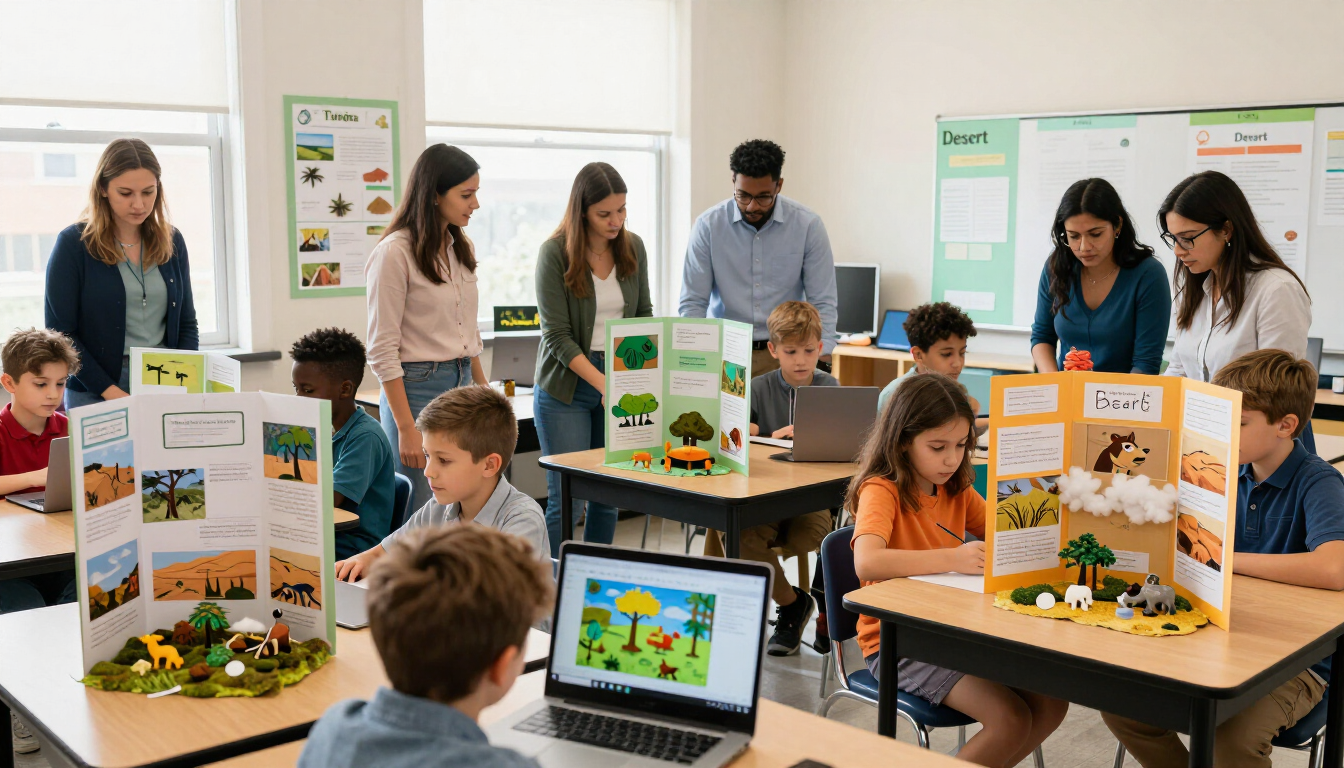
ecosystem tri-fold display board created by students for an Ecosystem Expo science project
July 20, 2026
Looking for a meaningful ecosystem project? Learn how to host an Ecosystem Expo where students research biomes, create displays, and present their learning.
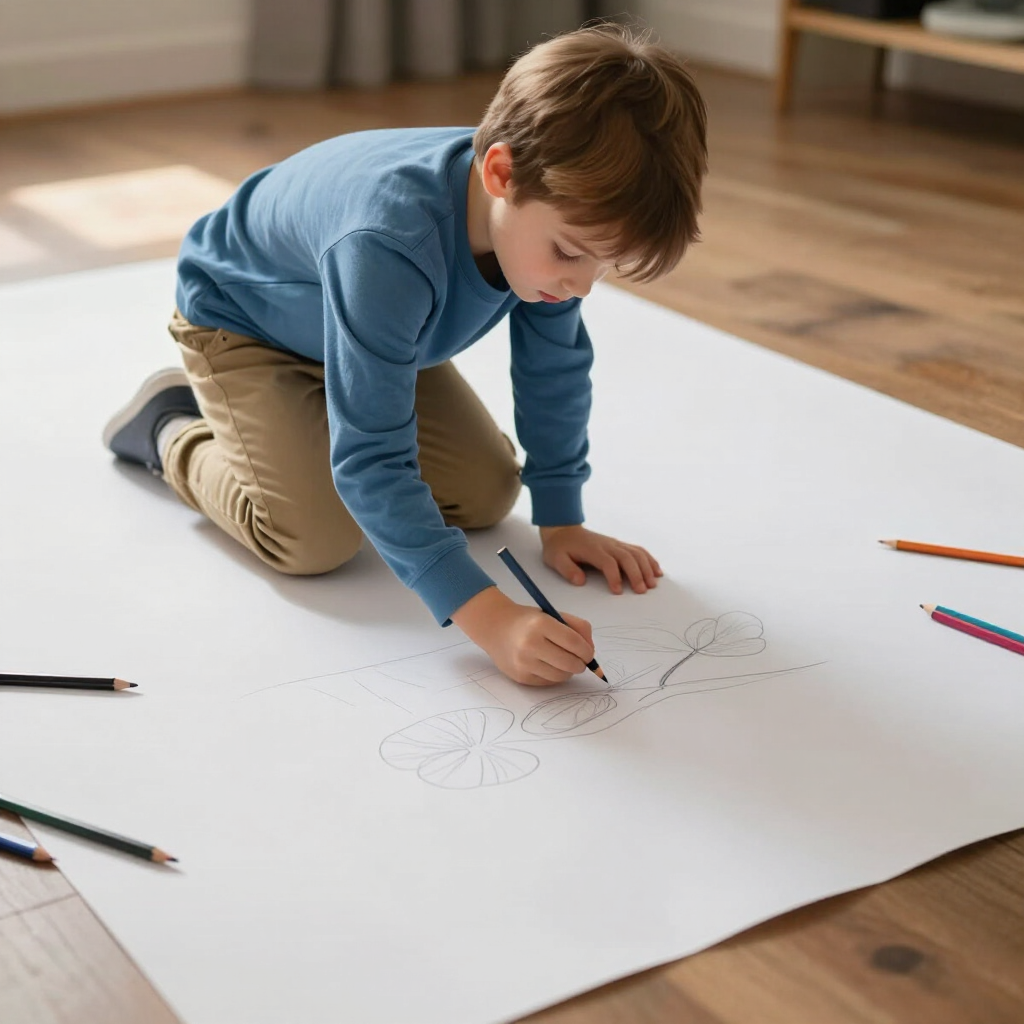
Student creating a human body systems poster using craft supplies to model organs and body systems d
July 12, 2026
Discover hands-on human body system projects that help students explore the skeletal, muscular, digestive, respiratory, and more using simple craft supplies.
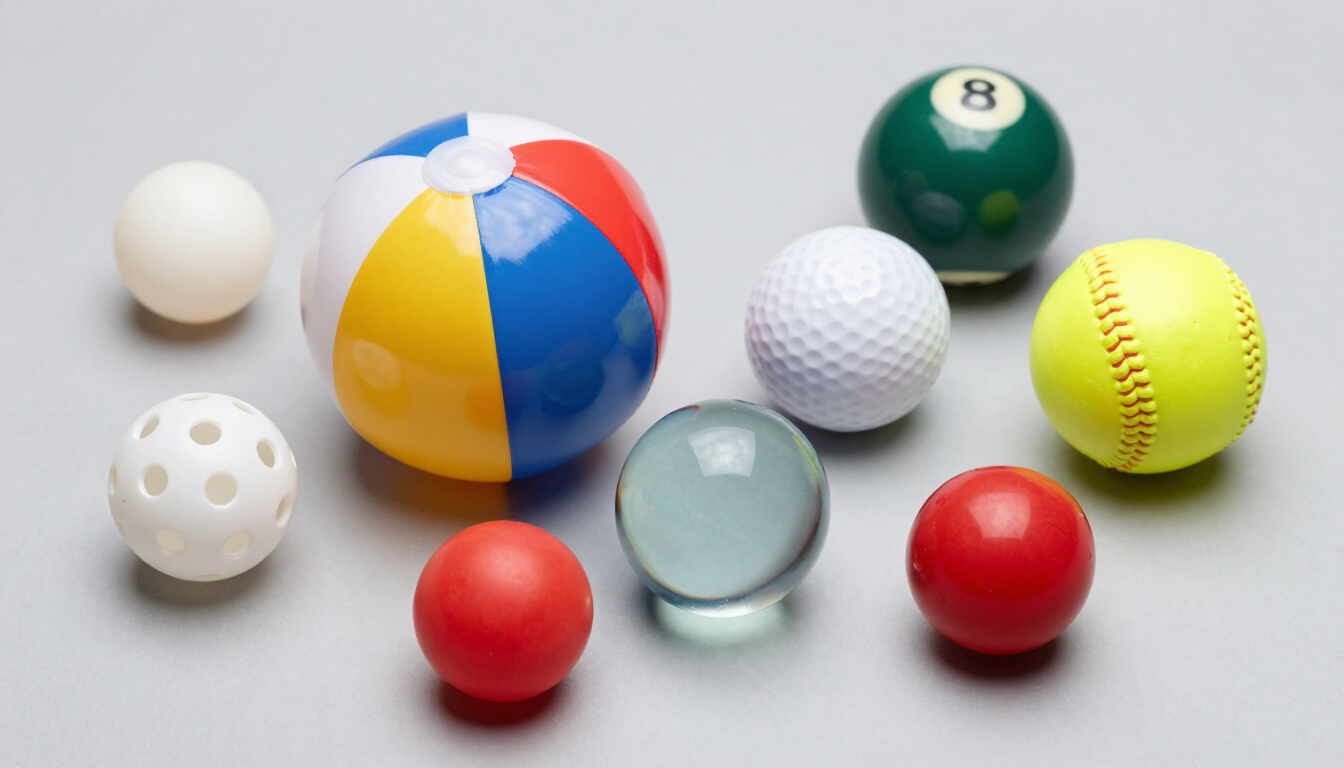
Variety of balls used in a hands-on force and motion investigation exploring how mass affects an obj
July 6, 2026
Teach force and motion with hands-on science activities that explore how force strength and mass affect movement using simple materials.
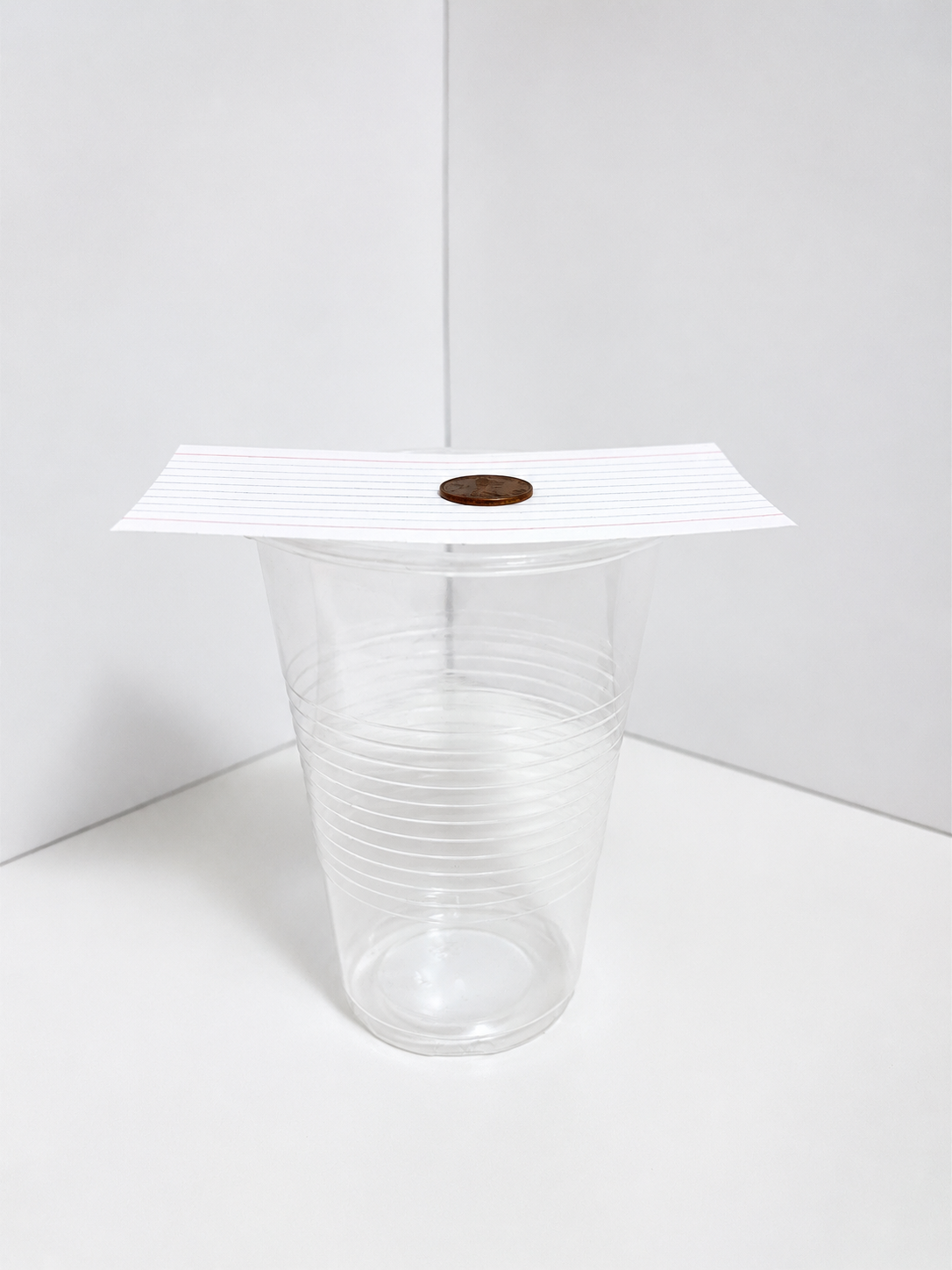
Coin resting on an index card over a plastic cup for a hands-on Newton's First Law of Motion
July 6, 2026
Teach Newton's Laws of Motion with quick, hands-on science activities using simple materials. Perfect for engaging elementary students.
paper airplane for activity demonstrating how air resistance affects flight
July 6, 2026
Teach air resistance with this no-prep science investigation! No materials required—just an engaging, hands-on activity for elementary students.